Using Retinol for Acne: Your Ultimate Skincare Guide


Maya Ernest
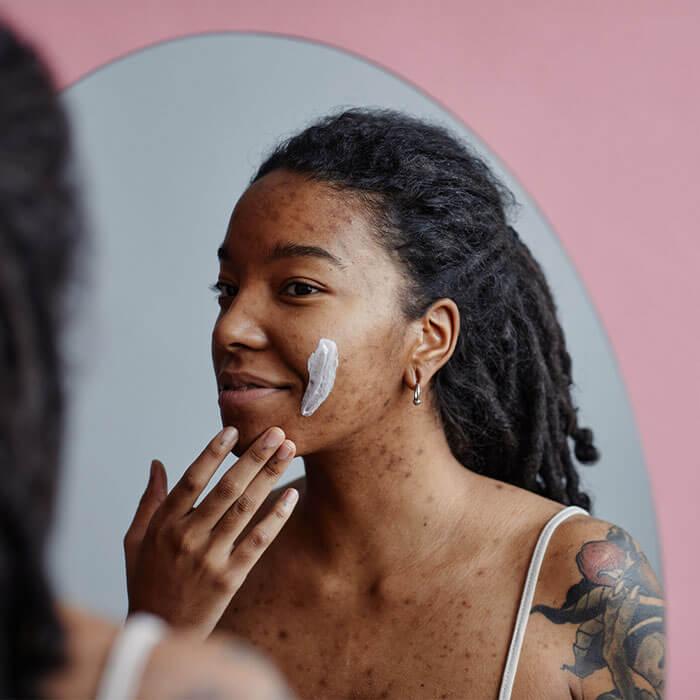
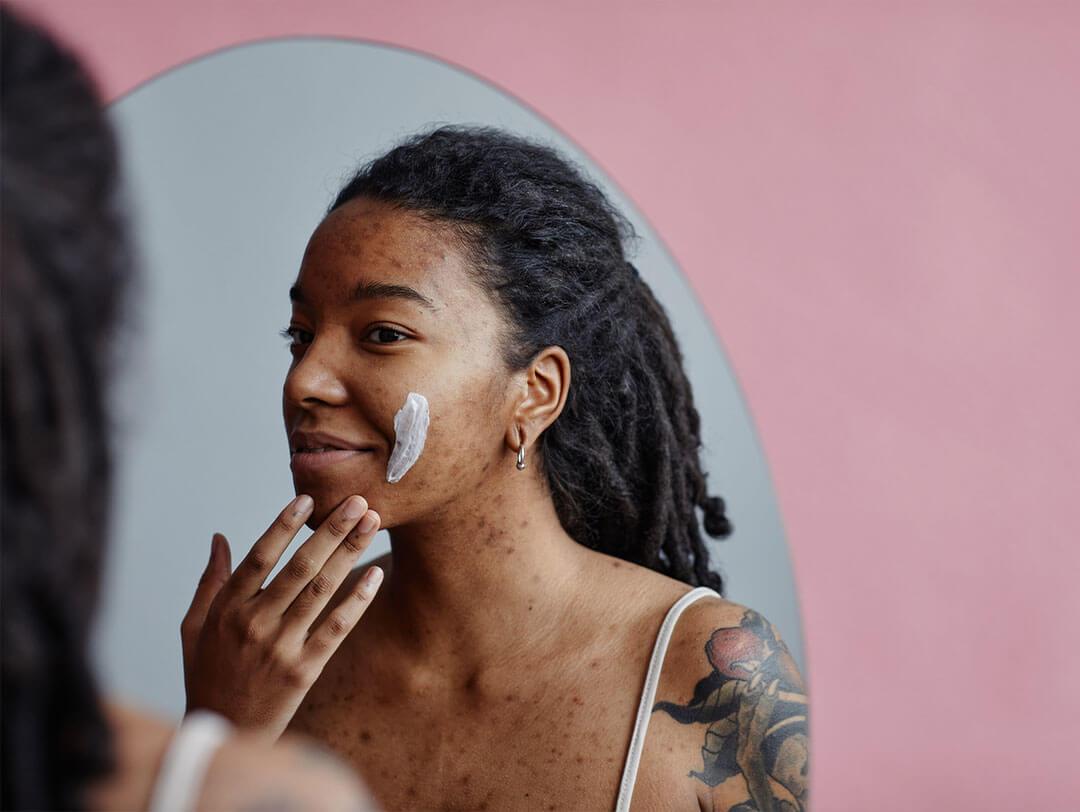
Acne can pop up anywhere when excess sweat, makeup, and other stuff (like dead skin cells and pollution) clog up your pores. Getting rid of that gunk is the first step toward eradicating existing breakouts, and retinol is one of the ingredients that will help.
At this point, you’ve probably heard about retinol—a natural vitamin A derivative commonly used in anti-aging creams. What you might not know, however, is that retinol can also be used to treat acne and reduce the appearance of acne scars.
For the uninitiated, here’s the scoop: Retinoid treatments can level up your skincare routine, since they speed up skin cell turnover and help stimulate collagen production. (FYI: “Retinoids” is the umbrella term for both prescription-strength retinoids, such as tretinoin and Retin-A, and retinol, the over-the-counter derivative). The skincare staple also removes the buildup that leads to acne, making it a powerful product to add to your routine. Read below to learn more about the topical skincare ingredient and how to start using it.
It's about glam time you treated yourself.
Join IPSY
MEET THE EXPERT
Robyn Gmyrek, MD, is a board-certified dermatologist with award-winning experience in medical, surgical, and cosmetic dermatology. Prior to joining UnionDerm, Dr. Gmyrek was on the faculty of Columbia University Medical Center where she was division chief of cosmetic dermatology and founded Columbia University’s Cosmetic Skin and Laser Center.
Is Retinol Good for Acne?
No matter if you’ve got blackheads, whiteheads, or the occasional pimple, retinol can be one of the most effective acne treatments. “Retinol helps to slough off dead cells on the surface of the skin, leading to less clogging, and therefore less acne,” board-certified dermatologist Robyn Gmyrek, MD, tells IPSY. Since it clears out your pores, retinol can help clear up existing breakouts and also help prevent future ones.
What Are the Benefits of Retinol for Acne?
By going a step further than just exfoliating, retinol is able to remove the buildup that leads to acne. Plus, it works underneath the skin to help stimulate collagen and elastin production, which keeps your skin looking plump and minimizes the appearance of pores.
Removing those dead skin cells can help even if you don’t have active acne, too: According to Dr. Gmyrek, retinoids can also minimize the appearance of acne scarring and other hyperpigmentation. “Retinol decreases oil production and minimizes excess pigmentation, which may occur in some—especially those with darker skin types—as acne inflammation is resolving,” she says. Using retinol can help you get rid of those dark spots from pimples past and prevent future breakouts.
How Long Does It Take for Retinol to Work on Acne?
When you’re trying to clear up your acne, you may want results fast—but as with any skincare product, consistency is key with retinol. Over time, a retinol will decrease oil production and unclog your pores, and with regular use, “you will see clearance of current acne and the prevention of new pimples,” says Dr. Gmyrek. Mild improvement from acne can usually be seen within two weeks, the dermatologist adds, although it can take eight to 12 weeks to really see the full effects of retinol.
Can You Put Retinol on Cystic Acne?
Cystic acne is rooted deep within the skin tissue, meaning retinoids may reach where spot treatments and cleansers can’t. But while it can help treat cystic acne, you might want to tread carefully. “The skin is already inflamed, and may be more sensitive to retinol,” explains Dr. Gmyrek. Take your time incorporating retinol into your skin routine—rushing in can risk intense irritation, flakes, and worsened breakouts. That said, retinol may not work for everyone with cystic acne. “If your cystic acne still isn’t getting better, please seek the care of a dermatologist,” says Dr. Gmyrek. “This type of acne can cause long-term scarring and may need to be more aggressively treated.”
How to Combine Retinol With Other Acne Skincare Ingredients
Retinol has potent acne-fighting properties, but it also comes with noticeable side effects, including irritation, skin peeling, and redness. Since the skin is sensitive when using retinol, it’s important to know how to incorporate it into your skincare routine.
While it may be tempting to combine treatments for a quick fix, combining retinol with other active ingredients may do more harm than good. Less is more, since retinol can lose efficacy when combined with different active ingredients, says Dr. Gmyrek. She recommends applying retinol at night on clean, dry skin.
To combat the drying effects of retinoids—which can lead to irritation and flaking—you’ll want to let the product absorb for a few minutes and then apply a rich moisturizer. For her patients with acne, Dr. Gmyrek recommends the KATE SOMERVILLE® Oil Free Moisturizer, which helps keep oil production in check. For a simplified skincare routine, she also recommends the KATE SOMERVILLE® +Retinol Vitamin C Moisturizer, which combines both retinol and moisturizer in one product for easy application.
Once you start your retinol regimen, make sure to keep wearing your favorite UV ray–blocking SPF. After sloughing off all those dead skin cells and oils, your skin will be sensitive to the sun, and you don’t want to risk irritation or hyperpigmentation from a painful sunburn. Slathering up daily with SPF will help your skin glow long-term, too.
How to Add Retinol Into Your Skincare Routine
Everyone’s skin is different, and it’s important to choose a retinol that works for you. Opt for one formulated to your skin type, and start slow. After cleansing and drying your skin, Dr. Gmyrek recommends using a small amount of retinol—a pea- to dime-sized amount—for your whole face. Start by applying dots of retinol on your forehead, nose, and chin before spreading it into a thin layer across your face. Take care to avoid the mouth area, which can be extra sensitive.
After applying, let the product soak in for a few minutes before adding a non-comedogenic (aka non-pore-clogging) moisturizer. “Always use retinols at nighttime, because they are inactivated by sunlight,” says Dr. Gmyrek.
And before you go all in, remember your skin will need time to adapt to your retinol routine. When first introducing your skin to retinol, Dr. Gmyrek recommends using it only two to three times a week to avoid irritation. After one to two weeks of use, if your skin is not too dry, you can slowly increase your retinol use—but don’t push it. “Consistency is more important than being able to use the product every single night,” she notes.
If your skin is too sensitive for regular retinol use, or you’d like to add another component to your acne-fighting skin care routine, Dr. Gmyrek recommends using an at-home red or blue light mask three times a week. “Blue light destroys acne-causing bacteria, without the use of antibiotics or benzoyl peroxide, helping to clear breakouts,” she says. “Red light decreases redness, stimulates cellular energy, and collagen production, and near-infrared works beneath the skin's surface to boost blood circulation, bringing oxygen and nutrients to the cells.” The tech-forward face mask offers a chemical-free way to clear up acne, making it a great pairing with retinol, which can’t be combined with other active ingredients.
Final Thoughts
Clearing up acne can be stressful—which definitely doesn’t help breakouts. But with a little help from retinol, you can fight active breakouts, help prevent future ones, and clean up any leftover scarring or hyperpigmentation. To prevent side effects like dry skin and redness, remember to find the right retinol for your skin type and start slow. Trust the process!
Want to up your skincare game with IPSY? Take our Beauty Quiz now to get started with your own IPSY beauty subscription. Already an IPSY member? Refer your friends to earn points, which you can use toward products. Either way, don’t forget to check us out on Instagram and TikTok @IPSY.
Like this article? Share it with your friends by clicking the icons below!
Liked this post? Share!
Related Stories
Skin
The Best Makeup With SPF for Easier Everyday Sun Protection
Published on May 26, 2026 • 3 min read
Skin
How to Use Tretinoin Face Cream for Acne Without the Drama
Published on May 19, 2026 • 9 min read


Skin
Do Tanning Boosters Actually Work? Here’s the Reality
Published on May 4, 2026 • 4 min read

Skin
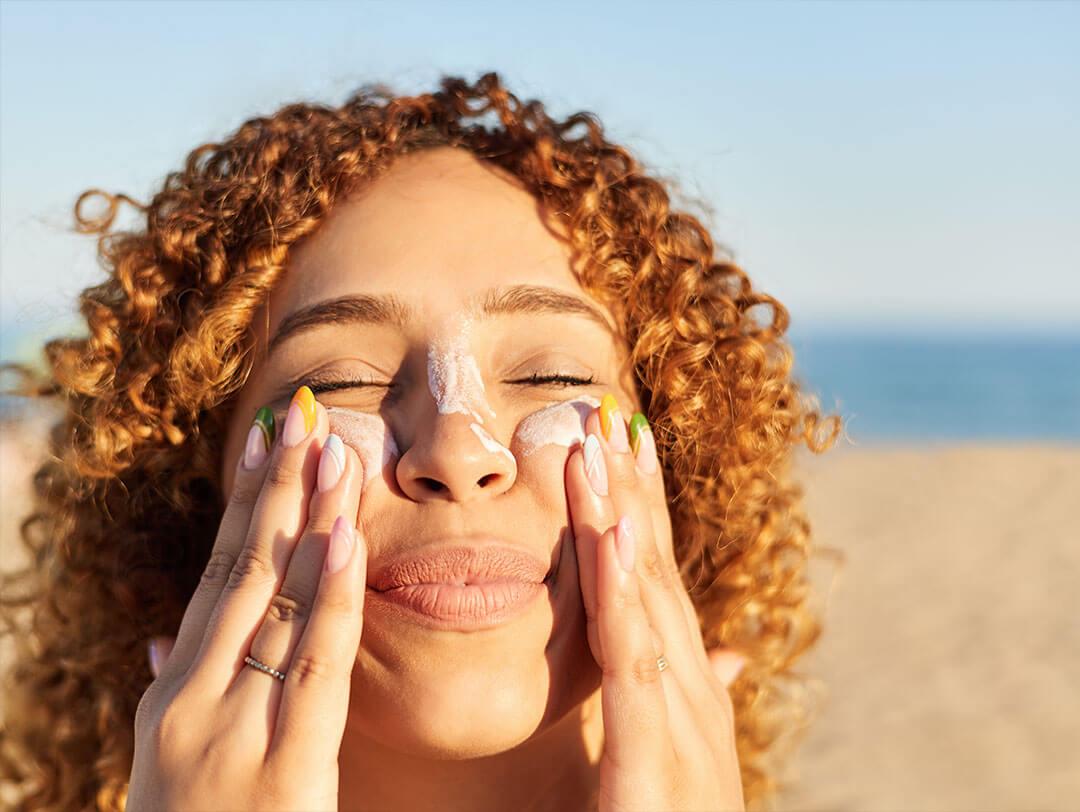
Here’s How Much Sunscreen You *Really* Need to Apply on Your Skin
Published on Jul 10, 2024
Skin
Yes, GLP-1s Affect Your Skin. Here’s How to Address It
Published on Apr 24, 2026 • 4 min read
Skin
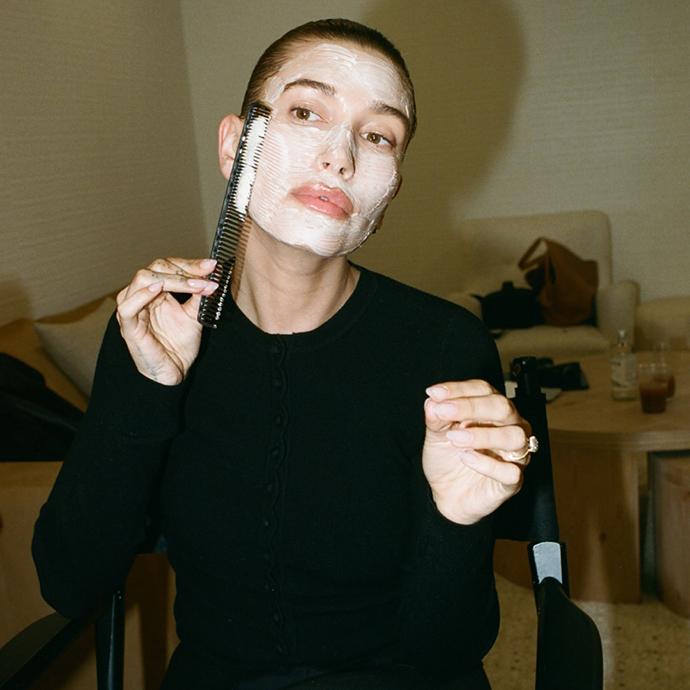
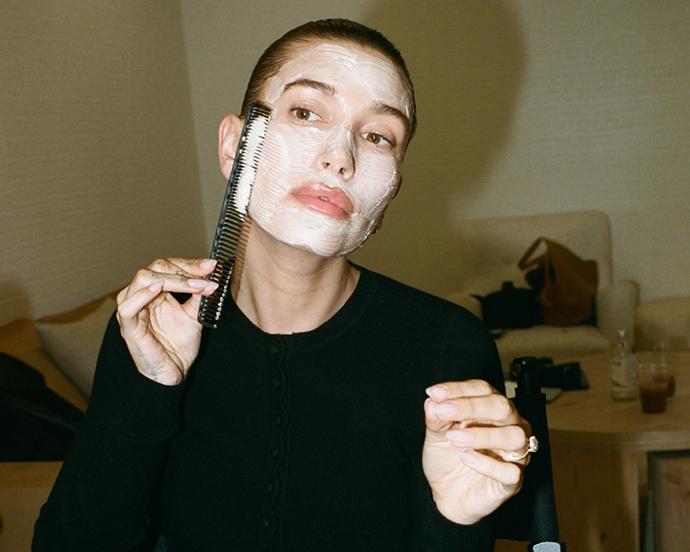
Did Hailey Bieber Just Start a Face Mask Trend With a Comb?
Published on Apr 6, 2026 • 2 min read
Skin
Milky Toners Are Everywhere—But Do They Actually Do Anything?
Published on Apr 6, 2026 • 3 min read
Skin
Are Med Spa Memberships the New Way Women Are Doing Injectables?
Published on Apr 3, 2026 • 5 min read
Beauty Picked Just for You
Get 5 products worth up to $70
Exclusive access to epic deals up to 80% off
Starting at just $15/month. Cancel anytime.